Backhand: A Script Font for Modern Web Design
The Art of Handwritten Typography in Digital Spaces
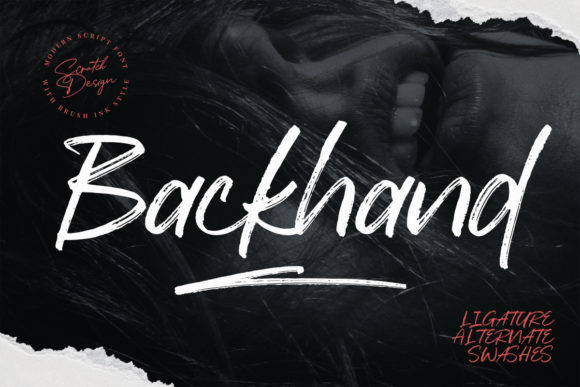
As a web designer, I’ve always believed that typography is the silent hero of any digital project. It shapes how users perceive your brand, influences their reading behavior, and ultimately impacts conversion rates. Backhand is a brushed and stylish handwritten font that brings warmth and personality to your design. Its elegant strokes and fluid curves make it ideal for projects where a touch of creativity meets professionalism.
Why Backhand Stands Out in Web Design
Backhand isn’t just another script font—it’s a versatile typeface designed with modern web layouts in mind. Its brush-stroke style adds a handcrafted feel without sacrificing readability. This makes it perfect for both decorative and functional use cases. Whether you're crafting a hero section or designing a logo, Backhand offers a balance between visual appeal and usability.
The font’s natural flow supports easy scanning on screens, making it suitable for headers, call-to-action buttons, and short phrases. Its character spacing and stroke variation help it stand out in a cluttered digital landscape while maintaining clarity. For designers who want to create a strong first impression, Backhand is an excellent choice.
Using Backhand in Web Layouts
Backhand shines in areas where a display font can elevate the user experience. Here are some practical applications:
- Hero Sections: Use Backhand for headline text to draw attention immediately. Its stylistic flair works well against minimalist backgrounds or bold color schemes.
- Landing Pages: Incorporate it into headlines or taglines to add a personal touch without overwhelming the reader.
- Call-to-Action Buttons: The font’s legible yet expressive style makes it ideal for CTA buttons, encouraging clicks without confusing users.
- Online Store Banners: Pair it with a clean sans-serif font for product titles to create a dynamic contrast that highlights key information.
- Blog Headers: Backhand adds a creative edge to blog headers, especially when used with a complementary body font for better readability.
- Portfolio Sites: Use it for project titles or client names to reflect a creative and professional brand identity.
When using Backhand, consider its weight and spacing to ensure it aligns with your overall design goals. It works best when paired with a simpler sans serif or serif font for body text, creating a balanced typographic hierarchy.
Readability and Responsiveness
Readability is key in web design, especially on mobile devices. Backhand performs well on smaller screens due to its clear letterforms and consistent stroke width. However, it's important to test its appearance on various screen sizes and background colors to maintain legibility.
On dark backgrounds, Backhand can appear more vibrant and striking, making it great for overlays or image-based content. On light backgrounds, it remains crisp and easy to read, ensuring a seamless user experience across all platforms. Always use responsive typography techniques to adjust font size and line height based on screen size.
Font Pairing Strategies
Pairing fonts effectively can enhance your design’s visual impact. Backhand pairs well with:
- Sans Serif Fonts: For a modern and clean look, pair it with a simple sans serif like Montserrat or Open Sans. This creates a strong contrast while keeping the layout readable.
- Serif Fonts: If you’re aiming for an editorial or classic aesthetic, try pairing it with a serif font like Georgia or Cinzel. This combination adds depth and sophistication to your design.
- Other Script Fonts: Use it alongside another script font for a layered, decorative effect. Ensure there’s enough contrast to avoid visual confusion.
Remember to test font pairings in different contexts to ensure they work well together in your specific design. Consistency in font usage also plays a role in building a cohesive brand identity.
Commercial Licensing and Brand Identity
When selecting a font for commercial use, licensing is essential. Backhand is available as a premium font with commercial licenses that allow use on websites, landing pages, online stores, and digital templates. Always check the included styles, file formats, and webfont availability to ensure compatibility with your project.
Backhand’s versatility makes it a great asset for brand identity. Whether you’re designing a logo, packaging, or social media graphics, its handwritten style adds a unique personality to your brand. It’s especially effective for creative brands, boutique businesses, and digital agencies looking to stand out in a competitive market.
Consider using Backhand in your brand kit to maintain consistency across all digital assets. Its presence in headers, buttons, and promotional materials helps reinforce your brand’s voice and visual language.
Conclusion
Backhand is more than just a script font—it’s a powerful tool for web designers and digital creators. With its blend of elegance and functionality, it supports a wide range of design needs, from branding to user engagement. By understanding how to use it effectively, you can elevate your digital projects and create a stronger connection with your audience.